Interior House Painting Services That Elevate Every Room in Your Home
Your home tells your story. Every room reflects your personality, your style, and the life you’ve built within those walls. When it’s time to refresh that story with new colors and updated finishes, you need a licensed and insured contractor who understands that exterior house painting is about more than just applying paint to walls—it’s about creating the spaces where you live, work, and make memories.
Carrot Coatings is a trusted local contractor serving Brunswick and the surrounding region. As a licensed and insured painting company, we offer residential painting, commercial painting, and floor coating services with free estimates, included warranties, and satisfaction guaranteed. Whether you’re refreshing a single bedroom or tackling an entire home renovation, we approach each project with dedication and attention to detail.
The Impact of Interior Painting on Your Property Value
The condition of your interior paint speaks volumes about your property. Fresh, properly applied finishes create an immediate impression of quality and care. Beyond aesthetics, interior painting protects your walls, covers imperfections, and can even improve your home’s energy efficiency when done correctly.
Many homeowners delay painting projects, watching as walls become dingy or outdated colors lose their appeal. This hesitation often stems from concerns about disruption, mess, or uncertainty about choosing the right contractor. Working with a licensed and insured contractor eliminates these worries by ensuring accountability, proper insurance coverage, and commitment to quality standards.
The right painting approach combines technical knowledge with an understanding of design trends and practical application. Professional contractors help you navigate color selections, finish options, and preparation requirements to ensure your project delivers the results you envision.
Why Licensing and Insurance Matter for Your Painting Project
Choosing a licensed and insured painting contractor protects your investment and provides peace of mind. Licensing demonstrates that a contractor meets industry standards and local regulations. Insurance coverage protects your property and ensures you’re not liable for accidents or damages during the painting project.
Licensed contractors operate with accountability. They must maintain certain standards to keep their licenses active, which motivates consistent quality and adherence to building codes. This accountability extends to how they handle customer concerns, warranty issues, and project completion.
Insurance coverage becomes critical when work occurs inside your home. Accidents happen—paint spills on flooring, walls get damaged during preparation, or equipment malfunctions. Proper insurance ensures these incidents get resolved without financial burden to you. Always verify both licensing and insurance before starting any interior painting project.
Understanding Interior Painting Services for Every Space
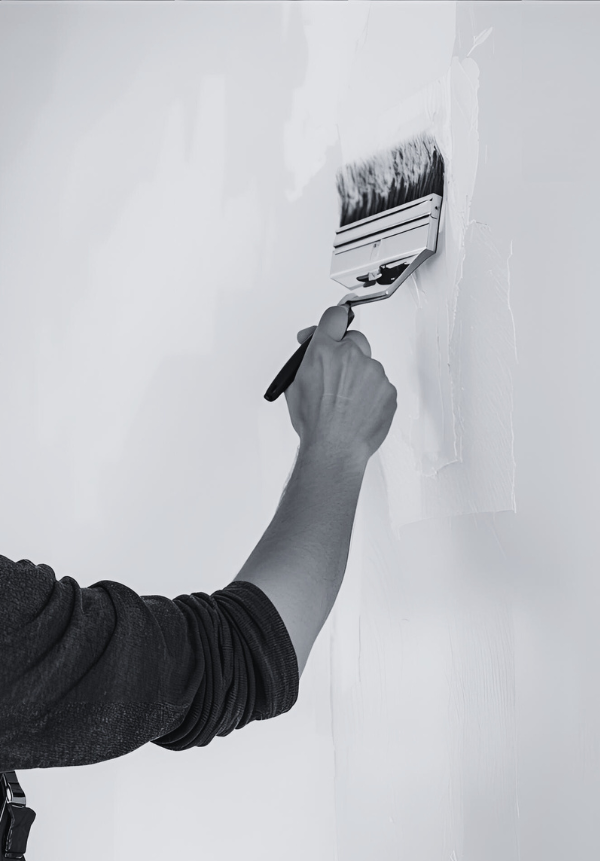
Interior painting encompasses multiple service categories, each designed to address specific needs and property types. Understanding these distinctions helps you communicate your requirements clearly and ensures you receive appropriate solutions.
Residential interior painting focuses on homes, apartments, and living spaces. These projects prioritize aesthetics, durability for family living, and finishes that withstand daily use. Residential work often involves careful color consultation, coordination with existing décor, and attention to architectural details that define your home’s character.
Commercial interior painting serves businesses, offices, retail spaces, and institutional buildings. These projects balance visual appeal with practical considerations like minimizing business disruption, using durable finishes for high-traffic areas, and completing work within tight timelines. Commercial painting often requires coordination with business operations and flexibility in scheduling.
The painting process itself follows established industry standards. Surface preparation removes old paint, repairs damage, and creates smooth surfaces for new finishes. Priming provides proper foundation and ensures paint adhesion. Multiple finish coats build color depth and durability. Professional-grade materials and proper application techniques separate lasting results from projects that require early repainting.
What to Look for When Selecting Paint for Your Interior Spaces
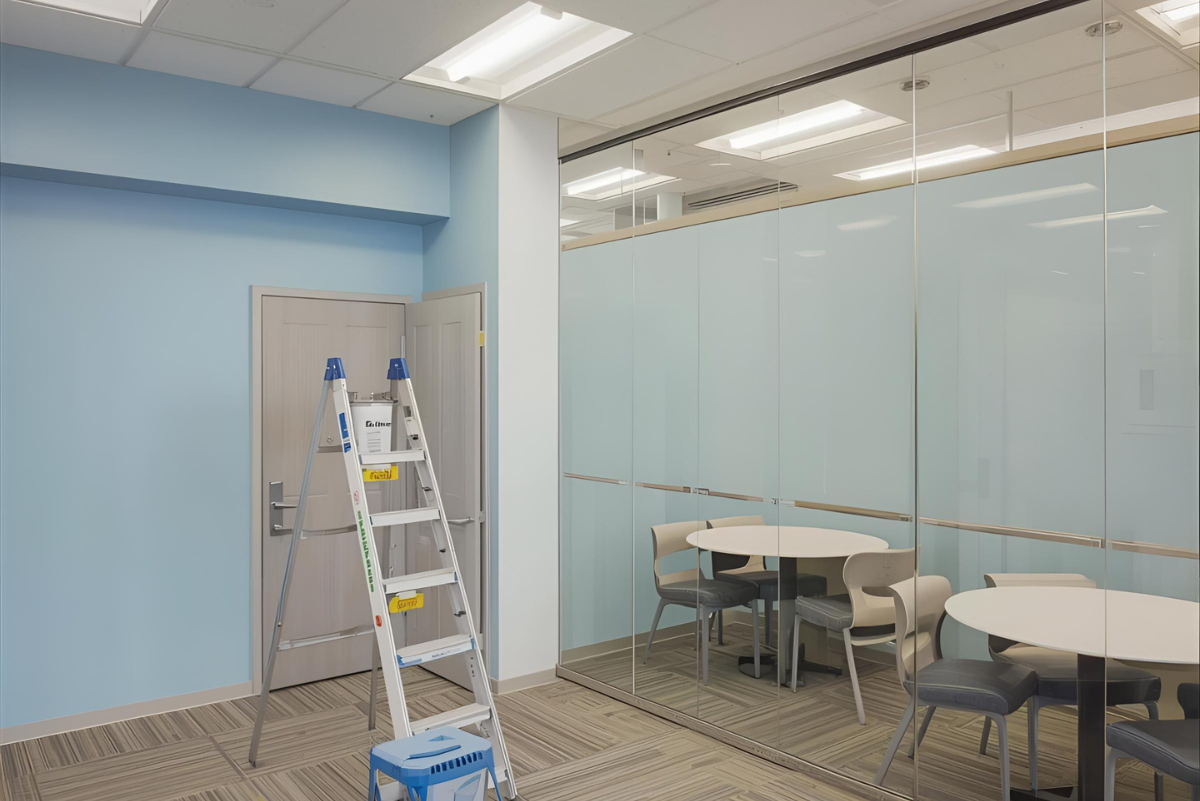
Interior paint selection involves more than choosing colors. Different paint formulations serve different purposes, and understanding these distinctions helps you make informed decisions for your painting project.
Paint sheen affects both appearance and performance. Flat or matte finishes hide surface imperfections but show marks easily. Eggshell and satin finishes offer slight sheen with better cleanability, making them popular for living areas. Semi-gloss and gloss finishes provide maximum durability and moisture resistance, ideal for kitchens, bathrooms, and trim work.
Paint quality varies significantly across price points. Premium paints contain higher pigment concentrations, better binders, and superior additives. These formulations provide better coverage, requiring fewer coats. They also resist fading, stand up to cleaning, and maintain their appearance longer than economy alternatives. While initial costs run higher, the long-term value often justifies the investment.
Specialized paints address specific challenges. Moisture-resistant formulations prevent mildew in bathrooms and kitchens. Low-VOC or zero-VOC paints improve indoor air quality, particularly important for homes with children, elderly residents, or those with sensitivities. Primers come in varieties designed for different surfaces—drywall, wood, previously painted surfaces, or problem areas like water stains.
The Science Behind Color Selection for Interior Spaces
Color selection represents one of the most significant decisions in any interior painting project. Colors affect mood, perceived space size, and how rooms function. Understanding color theory and practical considerations leads to choices you’ll appreciate for years.
Natural lighting dramatically influences color appearance. North-facing rooms receive cooler, indirect light that can make colors appear darker or bluer. South-facing rooms get warm, consistent light that brings out true colors. East-facing spaces enjoy bright morning light but become darker in afternoons. West-facing rooms experience the opposite pattern. Testing paint colors in your actual space, observing them at different times of day, prevents disappointing results.
Color psychology influences how spaces feel and function. Warm colors—reds, oranges, yellows—create energy and intimacy. They make large rooms feel cozier but can overwhelm small spaces. Cool colors—blues, greens, purples—promote calm and relaxation. They make small rooms feel larger and provide soothing backdrops for bedrooms and bathrooms. Neutral colors offer versatility and timeless appeal, providing foundations that accommodate changing décor.
Color coordination between rooms creates visual flow throughout your home. While each room can express individual character, transitions between spaces should feel intentional rather than jarring. Consider how colors appear from adjacent rooms and hallways. Varying shades within the same color family often works better than drastically different hues in connected spaces.
The 60-30-10 rule provides helpful guidance for room color distribution. Use your main color for 60% of the space (typically walls), a secondary color for 30% (furniture, window treatments), and an accent color for 10% (accessories, artwork). This balanced approach creates visual interest without overwhelming the senses.
Room-by-Room Considerations for Interior Painting Success
Different rooms present unique challenges and opportunities for interior painting projects. Understanding these distinctions helps you plan effectively and set appropriate expectations.
Living room painting creates the backdrop for daily family life and entertaining. These high-visibility areas benefit from colors that complement furniture and reflect your personal style. Consider how natural light enters these spaces and how artificial lighting affects color appearance in evenings. Living rooms often feature architectural details—crown molding, chair rails, built-ins—that require careful paint application around edges and transitions.
Bedroom painting prioritizes creating restful, calming environments. Cooler colors or muted tones often work well, though personal preference should guide final decisions. Consider how morning light affects your wake-up experience and whether evening lighting creates the ambiance you desire. Bedrooms offer opportunities for bolder color choices since fewer visitors see these private spaces.
Kitchen and dining area painting requires durable finishes that withstand moisture, cooking residue, and frequent cleaning. Semi-gloss or satin finishes work better than flat paint in these spaces. Colors should complement cabinetry, countertops, and flooring. Kitchens benefit from lighter colors that make spaces feel larger and cleaner, though darker accent walls can create visual interest.
Bathroom painting demands moisture-resistant formulations and proper surface preparation. Bathrooms experience humidity fluctuations that can damage standard paint. Proper ventilation reduces moisture-related problems. Semi-gloss finishes resist moisture and clean easily. Address any mildew or water damage before painting to prevent recurring problems.
Home office and workspace painting should support productivity and video conferencing requirements. Avoid colors that appear harsh or distracting on camera. Consider how lighting affects your work environment throughout the day. Neutral backgrounds often work best for professional video calls while allowing you to personalize with artwork and accessories.
Hallways and stairwells present access challenges with tall walls and awkward angles. These transitional spaces connect other rooms, making color coordination important. Lighter colors make narrow hallways feel more spacious. Stairwells require proper safety equipment and techniques for painting at heights.
The Standard Process for Professional Interior Painting Projects
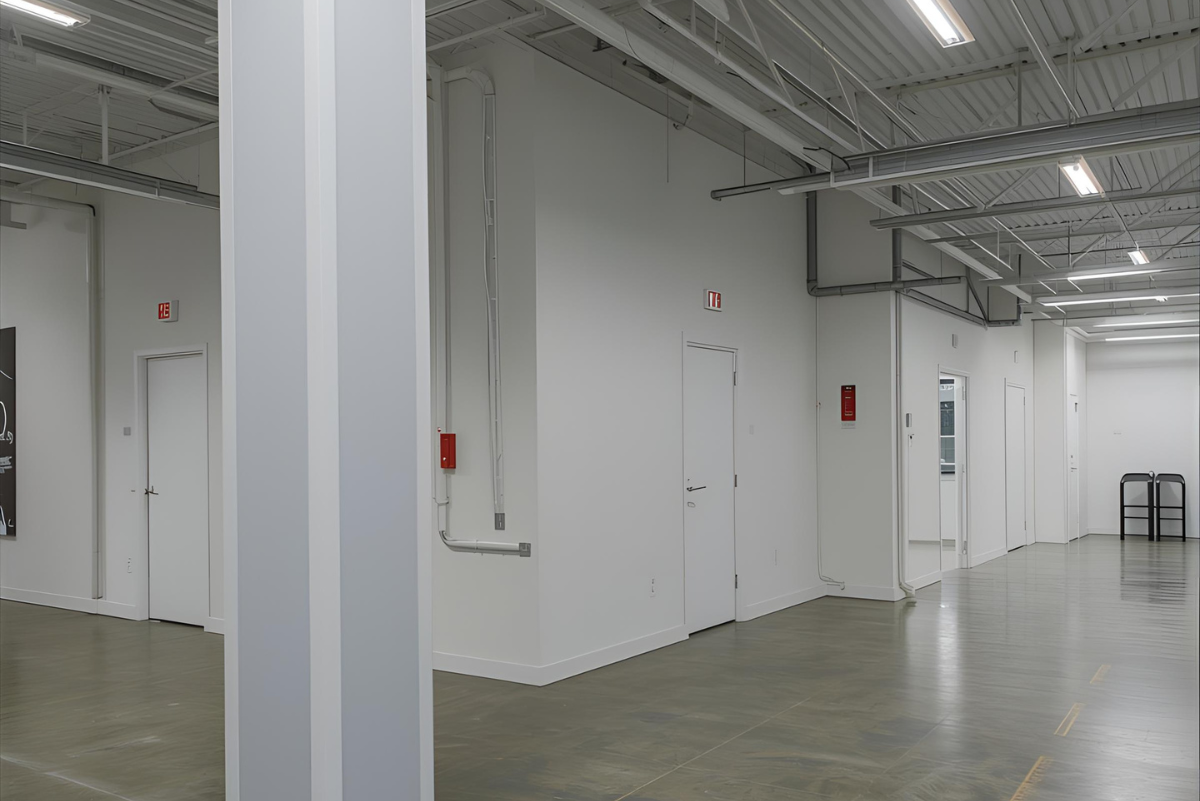
Understanding the interior painting process helps you know what to expect and ensures you can evaluate contractor proposals effectively. While specific approaches may vary, certain steps remain standard across quality painting projects.
Initial consultation and assessment identify project scope, challenges, and requirements. Contractors inspect existing conditions, note repairs needed, and discuss your vision. This stage covers color preferences, finish selections, timeline expectations, and any special considerations. Free estimates should clearly outline work included, materials specified, and project duration.
Surface preparation determines final quality. This critical phase includes protecting floors, furniture, and fixtures with appropriate coverings. Preparation involves cleaning surfaces to remove dirt and grease, repairing cracks and holes, sanding rough areas, and removing loose or peeling paint. Proper preparation takes time but ensures paint adheres correctly and finishes look smooth.
Priming creates proper foundation for topcoats. Primers seal porous surfaces, block stains, and improve paint adhesion. Different primers suit different situations—new drywall requires different primers than previously painted walls or problem areas with water stains. Skipping primer to save time or money often leads to poor coverage and premature paint failure.
Paint application follows systematic approaches that ensure even coverage. Professional techniques include cutting in (painting edges and corners with brushes) before rolling larger wall areas. Multiple thin coats produce better results than single heavy coats. Proper drying time between coats prevents problems like bubbling or uneven sheen. Final inspections identify any touch-ups needed before project completion.
Cleanup and final walkthrough conclude the project. Contractors should remove protective coverings, clean any paint drips or spills, and restore furniture to original positions. Final walkthroughs allow you to inspect work quality and address any concerns before considering the project complete.
Warranty Protection and Satisfaction Guarantees
Reputable painting contractors stand behind their work with warranties and satisfaction guarantees. Understanding what these protections cover helps you evaluate contractor proposals and provides recourse if problems arise.
Warranties typically cover workmanship defects—paint peeling due to improper application, uneven finishes, or missed areas. Warranty duration varies but commonly ranges from one to several years. Read warranty terms carefully to understand what’s covered, exclusions, and how to file claims if needed.
Satisfaction guarantees demonstrate contractor confidence in their work quality. These commitments ensure contractors will address legitimate concerns about the finished project. Clear communication during the project prevents most satisfaction issues, but guarantees provide additional assurance that you’ll receive results meeting reasonable expectations.
Paint manufacturer warranties cover product defects—premature fading, adhesion failures, or performance issues unrelated to application. These warranties require proof of purchase and often specify proper surface preparation and application methods. Manufacturer warranties work separately from contractor workmanship warranties.
Beyond Paint: Complementary Services for Complete Home Improvements
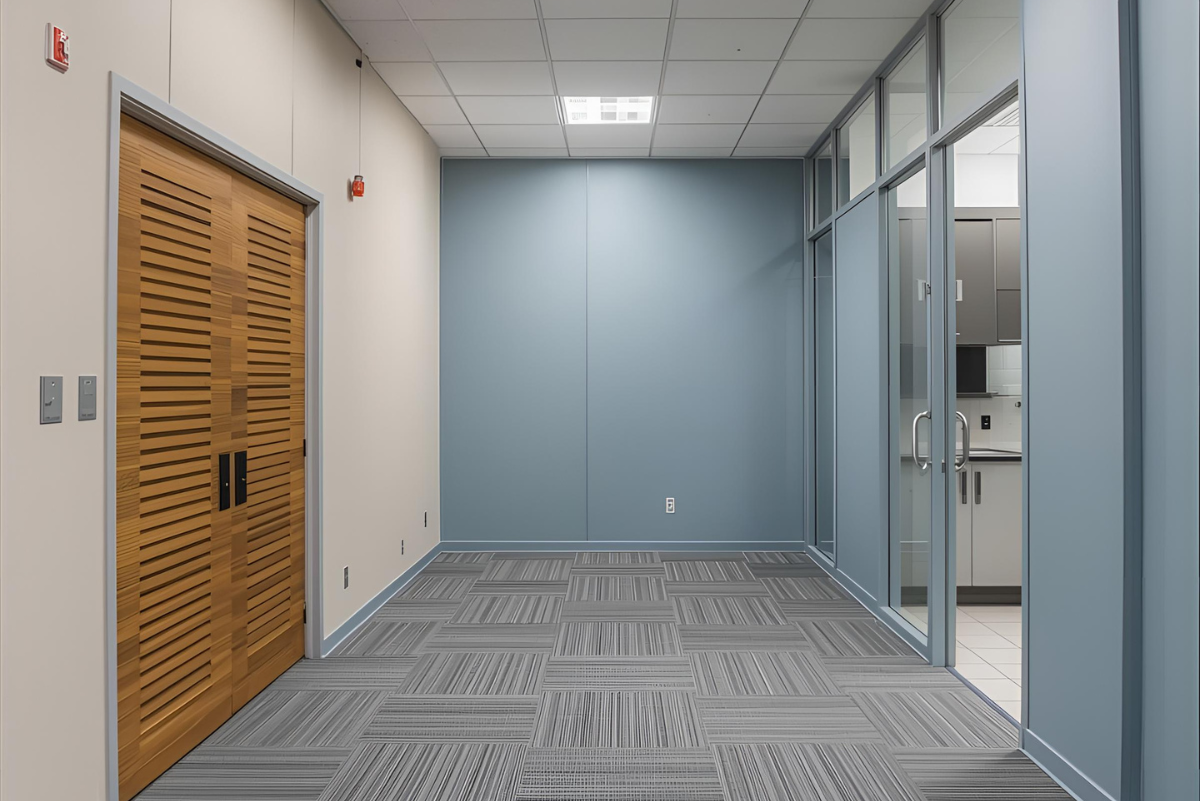
Interior painting projects often reveal opportunities for related improvements. Some painting contractors offer complementary services that streamline renovations and provide convenient, coordinated project management.
Floor coating services complement interior painting by upgrading surfaces underfoot while walls receive fresh finishes. Residential floor coatings transform garage floors, basements, and utility areas with durable, attractive surfaces. Commercial floor coatings serve warehouses, retail spaces, and industrial facilities requiring tough, long-lasting floor protection. Popular options include garage floor epoxy, warehouse floor coating, and basement floor coating systems.
Minor repairs and carpentry work often make sense before painting begins. Addressing trim damage, replacing outdated molding, or repairing drywall issues creates better foundations for paint. Contractors offering both services eliminate coordination hassles between multiple companies.
Roof coating services protect exteriors while interior painting refreshes indoor spaces. Roof coatings extend roof life, improve energy efficiency, and prevent leaks. Coordinating interior and exterior projects can provide scheduling efficiencies and comprehensive property improvements.
Competitive Pricing and Free Estimates in the Painting Industry
Understanding how painting projects get priced helps you evaluate estimates and make informed decisions. Multiple factors influence project costs, and transparent pricing builds trust between contractors and clients.
Free estimates allow you to understand project scope and pricing without financial commitment. Quality estimates should detail work included, materials specified, preparation steps, number of coats, and project timeline. Comparing multiple estimates helps you understand market rates and identify proposals that seem unusually high or suspiciously low.
Competitive pricing balances quality materials and workmanship with reasonable rates. The lowest bid doesn’t always represent the best value. Consider what each estimate includes—surface preparation thoroughness, paint quality specified, warranty coverage, and contractor credentials like licensing and insurance.
Several factors affect painting project pricing. Room size and ceiling height influence labor requirements and material quantities. Surface condition affects preparation time—heavily damaged walls require more work than clean, smooth surfaces. Paint quality selections directly impact material costs. Project complexity, including intricate trim work or challenging color changes, affects labor hours needed.
Serving Brunswick and the Surrounding Region
Location matters when selecting painting contractors. Local contractors understand regional climate conditions, architectural styles common in the area, and building codes specific to your jurisdiction. They also provide convenient access for consultations, project supervision, and warranty service.
Carrot Coatings operates in Brunswick, Georgia, and serves the surrounding communities. As a local contractor, we understand the climate challenges that affect paint performance in coastal Georgia. We’re accessible for in-person consultations, project walkthroughs, and any follow-up needs that arise.
Geographic service areas determine contractor availability and project feasibility. Local contractors typically provide better communication, more flexible scheduling, and faster response times compared to companies based far from your location.
Taking the Next Step Toward Your Interior Painting Project
Starting your interior painting project begins with gathering information and exploring your options. Understanding the process, knowing what questions to ask, and verifying contractor credentials sets the foundation for successful outcomes.
Research contractors serving your area, checking licensing status, insurance coverage, and customer reviews. Request free estimates from multiple contractors to compare approaches, pricing, and professionalism. Ask questions about preparation methods, paint brands proposed, warranty coverage, and project timelines.
Carrot Coatings offers free estimates for residential painting, commercial painting, and floor coating projects throughout the Brunswick area. As a licensed and insured contractor, we provide the credentials and commitment to quality that protect your investment. Our services include warranties and satisfaction guarantees that demonstrate our confidence in the work we perform.
Quality interior painting creates immediate impact and lasting value. Fresh finishes refresh your living spaces, protect your walls, and express your personal style. The difference between amateur attempts and quality work shows in smooth finishes, clean lines, and results that look beautiful for years.
Contact Carrot Coatings today to schedule your free estimate. Let’s discuss your interior painting project and provide the information you need to make confident decisions. Your refreshed spaces await.
Carrot Coatings
Contact Us today
Let’s Get Started on Your Project
At Carrot Coatings, we make it simple to bring your vision to life. Whether you need a fresh coat for your business, durable protective coatings, or custom finishes, our team is ready to deliver results that impress.
📞 Call us today or fill out the form, and one of our experts will get back to you shortly to discuss your project.
✔ Free Estimates
✔ Flexible Scheduling
✔ Guaranteed Quality